β’ Online
Please provide your information to begin chatting
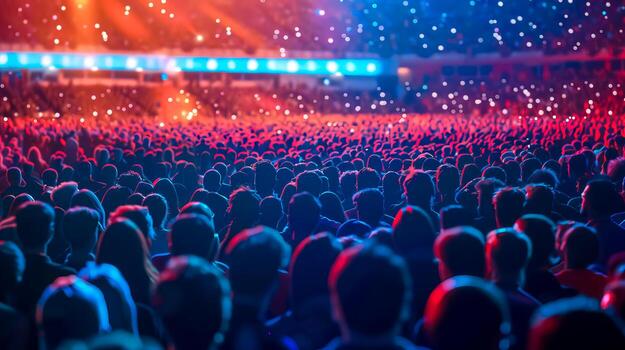
Event marketing has evolved significantly over the past decade. In 2026, brands are focusing more on immersive experiences rather than traditional promotional strategies. Technologies like augmented reality, AI-powered engagement, and hybrid events are transforming the way companies connect with audiences. Successful event marketing now revolves around creating memorable experiences that encourage participation and sharing across social media platforms. Businesses that invest in innovative event strategies can build stronger relationships with their customers and increase brand loyalty.
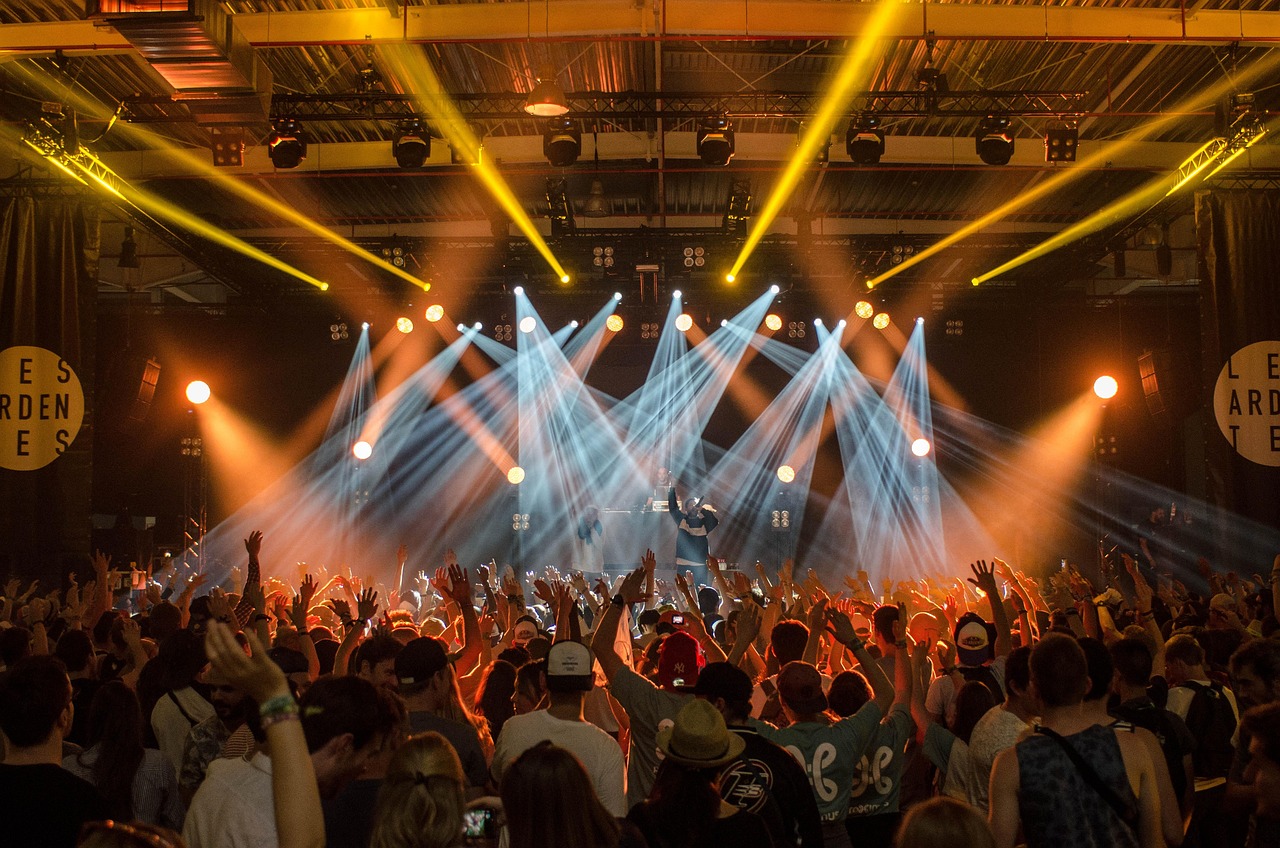
Planning an event requires careful preparation, creativity, and attention to detail. From choosing the right venue to managing guest experiences, every aspect of an event contributes to its success. Some key elements of successful event planning include clear objectives, strong promotion strategies, engaging activities, and professional event management. A well-organized event not only leaves guests impressed but also strengthens the reputation of the brand hosting it.
Events provide businesses with an opportunity to connect with their audience in a more personal and engaging way. Unlike digital advertisements, live events create emotional experiences that leave a lasting impression. Whether it's product launches, networking conferences, or brand activations, events allow companies to interact directly with their customers, understand their needs, and build long-term trust. When done correctly, events become powerful tools for strengthening brand identity and community engagement.
We use cookies to enhance your experience and analyze our traffic. You can choose to accept or reject them. Learn more about our policies.